Aloof: A Font for Purposeful Display and Strategic Branding
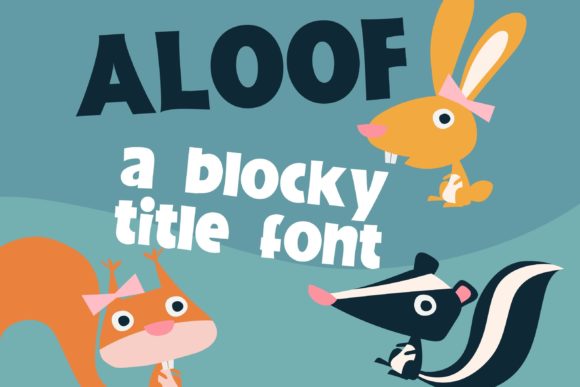
Fonts are more than just tools for legibility—they are strategic instruments in the hands of professionals, entrepreneurs, creators, and marketers. The right typography can elevate a brand’s identity, sharpen communication, and reinforce messaging with clarity and impact. Aloof is one such font. With its cool, bold, and thick lettered display style, Aloof stands out as a powerful choice for those who want to make a visual statement while maintaining a sense of sophistication and control.
What Makes Aloof Unique?
Aloof is a display font designed to command attention without overwhelming the viewer. Its thick strokes and clean lines give it a modern edge that feels both authoritative and approachable. This balance makes it particularly useful in branding, marketing materials, and creative projects where aesthetics and readability must coexist harmoniously.
The font’s boldness is not merely stylistic—it serves a functional purpose. In environments where text needs to cut through visual noise—such as digital banners, social media posts, or packaging design—Aloof ensures your message remains front and center. It's especially effective when used sparingly to highlight key phrases, headlines, or brand names, reinforcing their importance with a strong typographic presence.
Key Characteristics of Aloof
- Bold and Thick Lettering: Ensures visibility even at smaller sizes or from a distance.
- Cool Tone: Conveys professionalism and calm confidence, making it suitable for tech, fashion, and lifestyle industries.
- Display-Optimized: Best suited for short-form text rather than long paragraphs, ideal for logos, taglines, and signage.
- Versatile Style: Works well in both minimalist and high-energy designs due to its balanced structure.
Strategic Use Cases for Aloof
When considering how to use Aloof in your work, it’s important to align its characteristics with your goals. Here are several scenarios where Aloof could be an asset:
1. Brand Positioning and Identity
In branding, every detail matters. Aloof can help establish a brand’s tone by projecting strength and simplicity. For example, a startup in the SaaS industry might leverage Aloof in its logo or website headers to communicate innovation and reliability. Its bold nature can also create contrast against softer body fonts, helping to guide the viewer’s eye toward core messages.
Tip: Pair Aloof with a more delicate sans-serif or serif typeface to maintain hierarchy and prevent visual fatigue. This contrast helps emphasize the brand name while keeping supporting content easy to read.
2. Marketing and Advertising Campaigns
Marketers often rely on typography to convey urgency, value, or emotion. Aloof can be used in promotional banners, posters, or email subject lines to draw immediate attention. For instance, a product launch campaign using Aloof for the headline “Next-Gen Innovation” can signal progress and power effectively.
However, thoughtful planning is essential. Aloof should be reserved for impactful statements rather than being overused across multiple platforms. Overuse may dilute its effect and reduce the perceived value of the message it conveys.
3. Creative Projects and Visual Content
Freelancers, bloggers, and educators involved in content creation can benefit from Aloof’s ability to add personality to otherwise flat layouts. Whether designing a presentation slide, infographic, or editorial feature, Aloof brings a level of visual interest that enhances engagement.
Consider using Aloof in titles for YouTube thumbnails, podcast artwork, or webinar invitations. These assets need to capture attention quickly, and Aloof’s distinct character can serve as a differentiator in crowded feeds.
4. Productivity and Project Planning Tools
For planners and productivity enthusiasts, typography plays a role in organization and motivation. Using Aloof in headings within project management documents, Gantt charts, or vision boards can help prioritize tasks and milestones. Its boldness can act as a visual cue, signaling the most critical elements in a plan or workflow.
Example: A team lead might use Aloof in a monthly roadmap document under sections like “Q3 Objectives” or “Top Priorities,” making these areas stand out and encouraging focus among stakeholders.
Planning Thoughtfully with Aloof
To ensure Aloof contributes meaningfully to your design strategy, consider the following:
- Define Your Message: Aloof is best used when you have a clear, concise message to deliver. Avoid using it for complex or lengthy content.
- Understand Your Audience: Will your audience interpret the boldness as assertive or aggressive? Test it in context before finalizing your design.
- Establish Hierarchy: Use Aloof as a top-level heading to set the tone, then transition to secondary and body fonts for depth and clarity.
- Match Brand Personality: Aloof suits brands that are confident, innovative, and willing to take a bold stance. If your brand voice is more understated or traditional, this font may not align.
One practical planning tip is to create a typography style guide early in your project lifecycle. Include details about when and how Aloof will be applied. This helps maintain consistency and ensures the font supports your overall visual narrative.
When Not to Use Aloof—and Why
While Aloof has many strengths, it is not a one-size-fits-all solution. There are specific contexts where its use could hinder your objectives:
- Long-form reading material: Aloof’s thick strokes and condensed spacing can make extended text difficult to scan or read comfortably.
- High-volume data visualization: In dashboards or reports filled with metrics and charts, Aloof may distract rather than clarify.
- Low-resolution print: Because it relies on sharp edges and fine details, Aloof might not render cleanly in certain print formats unless tested beforehand.
- Overused in digital environments: If applied too frequently in web or mobile interfaces, it can lose its effectiveness and become visually tiring.
Before integrating Aloof into your design toolkit, ask yourself whether it adds value to the specific context. Does it enhance the message or confuse it? Does it support your brand’s positioning or clash with it? These questions can help avoid the pitfall of using it randomly or without intention.
Risks of Misusing Aloof
Using Aloof without clear goals or understanding of its limitations can lead to suboptimal outcomes. For example, if a small business owner uses Aloof across all their marketing materials without considering contrast or context, the result could be a jarring user experience that undermines trust.
Another risk is losing the font’s unique appeal through poor pairing. Combining Aloof with similarly bold or stylized fonts can create chaos rather than cohesion. Always test combinations in real-world applications to ensure they complement each other and your brand identity.
How to Approach Aloof Like a Pro
Successful integration of Aloof requires a deliberate, strategic mindset. Start by identifying where bold typography can serve your purpose. Then, evaluate the surrounding design elements to ensure harmony and usability.
Here are some actionable steps to guide your implementation:
- Start with a mockup: Use a tool like Canva or Adobe XD to see how Aloof looks alongside your color palette and imagery.
- Test across devices: Confirm that Aloof remains legible and aesthetically pleasing on desktop, tablet, and mobile screens.
- Limit its scope: Use it only in headlines, call-to-action buttons, or title cards to preserve its impact.
- Balance with whitespace: Aloof’s weight benefits from generous spacing to avoid crowding and maintain visual clarity.
Real-World Examples of Aloof in Action
Let’s look at how Aloof has been used effectively in various fields:
- Educational Institutions: A university launching a new innovation hub used Aloof in their event posters to emphasize the theme “Future Forward.” The font helped create a modern, aspirational feel.
- Product Launches: An e-commerce company introduced a luxury skincare line with Aloof in their hero banner for the phrase “Pure Elegance.” The font aligned with the brand’s premium positioning.
- Podcast Artwork: A thought leadership podcast used Aloof in their cover art for the title “Breaking Boundaries,” enhancing the show’s bold and progressive image.
Aligning Aloof with Long-Term Goals
Typography choices can influence long-term brand perception. When used correctly, Aloof supports a consistent and recognizable visual language. However, it’s important to ensure that your font decisions reflect your brand’s evolution and values over time.
For startups and growing businesses, Aloof can help establish a strong first impression. But as your brand matures, consider whether the font still aligns with your updated mission or tone. Some brands gradually shift to more refined or versatile typefaces to match broader audiences or shifting market conditions.
Freelancers and creatives should also think about longevity. While Aloof may be perfect for a current project, assess how it fits into your portfolio and personal brand. Will it age well? Does it represent the kind of work you want to be known for?
Practical Tips for Decision-Makers
As someone responsible for visual direction, here’s how to make better decisions around Aloof:
- Conduct A/B testing: Try different fonts in your marketing collateral to see which drives better engagement or conversion rates.
- Seek feedback: Present designs to stakeholders or target users to gauge how Aloof is received before committing to it.
- Review competitor usage: Analyze how similar brands use bold display fonts to identify gaps or opportunities for differentiation.
- Stay adaptable: Keep your font library diverse so you’re not overly reliant on any single typeface, including Aloof.
Conclusion
Aloof is more than just a bold font—it’s a strategic choice for professionals looking to make a lasting impression. Its cool, thick-lettered design offers a unique blend of authority and elegance, making it valuable in branding, advertising, and creative endeavors. However, its success hinges on intentional application and alignment with broader goals.
By understanding when to deploy Aloof, how to pair it with complementary styles, and what risks to avoid, you can harness its potential to drive better outcomes. Whether you're refining your brand’s visual identity or crafting a compelling presentation, Aloof provides a foundation for impactful communication—if used wisely.