Humna: The Arabic-Styled Font for Modern Design Needs
Choosing the right font can make all the difference in a design project. It’s not just about aesthetics—it’s about conveying the right message, evoking emotion, and building brand identity. Humna, an Arabic-styled font with an authentic and casual feel, offers a unique solution for designers looking to add cultural depth and visual appeal to their work. Whether you're crafting a logo, designing packaging, or working on event branding, Humna provides a versatile and expressive option that stands out without overpowering.
What is Humna?
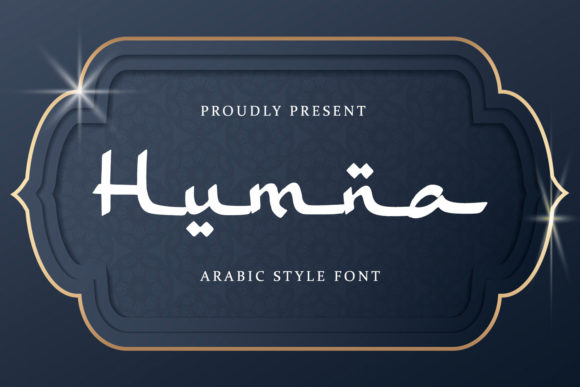
Humna is a contemporary typeface inspired by the elegance of Arabic calligraphy but adapted for modern digital use. Its characters feature soft curves, balanced proportions, and subtle flourishes that give it a natural, hand-drawn appearance while maintaining legibility across various applications. This blend of traditional beauty and modern functionality makes it a favorite among graphic designers, typographers, and branding professionals who want to infuse warmth and authenticity into their projects.
Common Challenges in Design Projects
In today’s competitive market, standing out visually is essential. Many brands struggle to find a font that reflects their identity accurately while remaining versatile enough for multiple uses. For example:
- Lack of cultural resonance: When targeting Middle Eastern or Arabic-speaking audiences, using a generic Western font can create a disconnect.
- Overly formal or stiff designs: Some fonts don’t convey the personality or vibe a brand wants—especially for more casual or artistic projects.
- Legibility issues in print or digital media: Beautiful scripts can sometimes be hard to read at smaller sizes or on screens.
These challenges often lead to compromised designs or wasted time searching for the perfect font. That's where Humna comes in.
How Humna Addresses These Needs
Humna was designed with these pain points in mind. Its casual yet refined look allows it to fit seamlessly into both high-end and everyday design contexts. Here’s how it helps overcome common hurdles:
- Cultural Authenticity: With its roots in Arabic typography, Humna connects instantly with local audiences while still being accessible to a global one.
- Versatility: From large-scale posters to small text on clothing labels, Humna maintains clarity and charm across formats and sizes.
- Brand Personality: The font’s organic style supports creative and lifestyle-oriented brands seeking to communicate approachability and authenticity.
Practical Applications of Humna
One of the strengths of Humna is its adaptability. Below are some real-world scenarios where this font excels:
Branding and Logo Design
For businesses targeting Arabic-speaking communities or those with a Middle Eastern heritage, Humna adds a layer of cultural significance to logos and brand materials. Its clean structure ensures that even intricate characters remain clear and professional, helping your brand maintain a strong visual presence without losing readability.
Magazines and Publications
Designing editorial content requires a balance between style and function. Humna brings an artistic flair to magazine layouts, especially when used for headlines, pull quotes, or special sections. Its casual tone fits well in lifestyle, fashion, or travel publications where a warm and inviting atmosphere is desired.
Packaging and Product Design
Whether it’s for food, cosmetics, or retail products, the right typography can influence consumer perception. Humna works beautifully on product packaging, particularly for items aiming to evoke tradition or artisanal craftsmanship. The font's subtle elegance enhances the overall aesthetic without overwhelming the product itself.
Event and Wedding Invitations
Weddings, festivals, and cultural events often require a touch of sophistication and personalization. Using Humna in invitations and event materials introduces a sense of uniqueness and authenticity, making your design stand out in a sea of generic templates.
Apparel and Merchandise
On t-shirts, shopping bags, and other merchandise, Humna delivers a stylish yet wearable look. Its informal charm suits streetwear and casual fashion lines, while its structured formality can also support luxury apparel when paired correctly.
Photography and Social Media
When overlaying text onto photographs or creating social media graphics, Humna’s fluid character shapes integrate smoothly with visuals. It complements imagery without clashing, ensuring your message is seen clearly and feels cohesive with the overall design.
Who Can Benefit from Using Humna?
Different users have different needs, and Humna is no exception. Here’s how various professionals might leverage this font:
- Graphic Designers: Use Humna as a primary or secondary typeface in projects that demand a humanistic, handcrafted look.
- Brand Owners: Incorporate it into logos, packaging, and marketing materials to build a distinctive and culturally grounded brand identity.
- Fashion Designers: Apply it to clothing tags, labels, and promotional content for a stylish, modern edge with a traditional touch.
- Print Designers: Take advantage of its scalability and clarity for everything from large billboards to small printed cards.
- Web Developers: Implement Humna in website headers or landing pages to create a welcoming and memorable user experience.
Implementation Tips and Best Practices
To get the most out of Humna, consider the following tips during your design process:
- Pair wisely: Combine Humna with a clean, sans-serif font for body text to maintain contrast and readability.
- Use color strategically: Opt for muted or earthy tones to complement the font’s organic feel, or go bold for a striking visual impact.
- Test at scale: Always preview how Humna looks on different devices and in varying sizes before finalizing your layout.
- Balance complexity: While its ornate style is appealing, avoid overusing it in dense text blocks to prevent clutter.
- Consider licensing: Ensure you have the appropriate license for commercial use, especially if you're deploying it across multiple platforms or products.
Real-Life Examples and Outcomes
Several successful brands and designers have already adopted Humna to enhance their visual storytelling. For instance, a boutique coffee shop in Dubai used Humna for its logo and packaging, which helped establish a strong connection with its local customer base while attracting international attention due to its unique aesthetic.
A fashion label in Saudi Arabia integrated Humna into their collection names and taglines, giving their brand a distinct personality that resonated with younger audiences who value authenticity and modernity. Similarly, a photography studio used the font for their portfolio titles and captions, achieving a seamless blend of artistry and professionalism.
Why Choose Humna Over Other Fonts?
While there are many Arabic-style fonts available, what sets Humna apart is its ability to strike the right balance between tradition and modernity. Unlike overly decorative scripts that may hinder readability, Humna retains a level of simplicity that makes it practical for daily use. At the same time, it doesn’t sacrifice the cultural richness that makes Arabic typography so compelling.
For multilingual projects, it also integrates well with Latin scripts, allowing for mixed-language content without disrupting the visual harmony. This makes it ideal for bilingual brands or international campaigns that need to maintain a consistent look across languages.
Final Thoughts
Humna is more than just a beautiful font—it’s a strategic tool for designers and brands aiming to create meaningful connections through typography. By understanding your audience and the context of your project, you can harness Humna’s unique characteristics to craft designs that are both functional and emotionally engaging.
As you move forward with your next design project, consider how Humna can bring authenticity, style, and clarity to your work. Whether you're creating something for print or digital, for a local business or a global campaign, this font offers a fresh perspective on Arabic-inspired typography that's sure to leave a lasting impression.