Exploring Foliage: A Versatile Display Font for Modern Design
Foliage is a display font that has been making waves in the design community due to its clean, elegant aesthetic and surprising adaptability. As more businesses and creatives seek fonts that can balance professionalism with a touch of personality, Foliage stands out as an excellent choice. Whether you're designing a logo, crafting marketing materials, or enhancing a website layout, understanding how this font works and where it shines can help elevate your visual projects.
What Is Foliage?
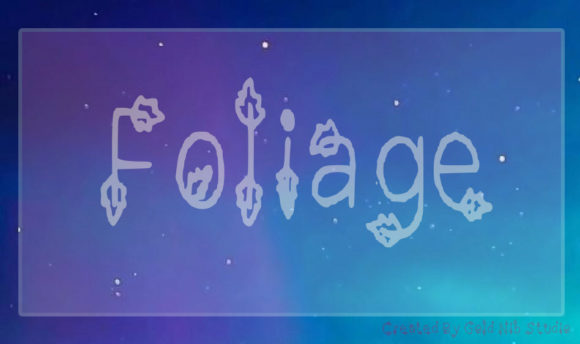
Foliage is a modern display typeface known for its simplicity and clarity. Unlike traditional serif fonts that offer a formal appearance, or complex script fonts that may be difficult to read at smaller sizes, Foliage strikes a balance between style and legibility. Its name suggests a natural, organic feel—inspired by the flowing lines and soft curves often found in leaves and branches.
This font is designed to capture attention without overwhelming the viewer. It uses open counters and generous spacing to ensure readability even when used in large formats or across various media types. These characteristics make it ideal for both print and digital applications.
Key Features of Foliage
- Clean Lines: The minimalist structure of Foliage allows it to blend seamlessly into contemporary designs.
- Adaptability: It performs well in both uppercase and lowercase forms, supporting a wide range of stylistic variations.
- Scalability: The font remains clear and consistent whether displayed on a mobile screen or a billboard.
- Unicode Support: Offers extended character sets for multilingual use and special symbols, adding flexibility for international audiences.
The Purpose of Using Display Fonts Like Foliage
Display fonts are specifically crafted for headlines, titles, and other prominent text elements rather than long passages of body copy. They serve a dual purpose: capturing attention and conveying a message with style. Foliage excels in this role because of its ability to express creativity while maintaining clarity.
In branding and marketing, the right display font can communicate a company's values before a single word is read. For example, using Foliage in a headline might suggest a brand is modern, approachable, and nature-inspired. This makes it particularly effective for industries like fashion, wellness, lifestyle, and environmental services.
Why Display Fonts Matter in Design
Fonts play a crucial role in how information is perceived. A bold, playful display font can energize a poster, while a softer one like Foliage can evoke warmth and sophistication. Choosing the right font ensures that your message not only looks good but also resonates emotionally with your audience.
Common misconceptions about display fonts include the belief that they are only suitable for large-scale typography. While they do shine in headlines, many designers overlook their potential in creating unique subheadings, call-to-action buttons, or decorative accents in layouts. Foliage’s versatility challenges these assumptions and opens up new creative possibilities.
Practical Applications of Foliage
Foliage finds its place in a variety of real-world scenarios. Here are some of the most common uses:
1. Branding and Logo Design
Logos are the face of any brand, and the font used in them can significantly influence perception. Foliage is frequently used in logo creation for brands that want to appear fresh and innovative. Its subtle curves and balanced proportions lend a professional yet friendly tone.
Example: A boutique skincare company might use Foliage in their logo to emphasize natural ingredients and modern aesthetics. The font’s organic look aligns perfectly with their brand identity.
2. Social Media and Web Design
In the digital age, first impressions matter. Websites and social media profiles often rely on striking visuals to engage users quickly. Foliage can be used for hero sections, banners, or app interfaces where a bold statement is needed without sacrificing readability.
Example: A travel blog could use Foliage for section headers and featured posts to create a visually appealing and cohesive layout that encourages exploration.
3. Print Materials and Packaging
Brochures, posters, and product packaging benefit from the visual impact of display fonts. Foliage’s clean design ensures that it doesn’t distract from the overall composition while still offering a distinctive flair.
Example: An eco-friendly clothing line might use Foliage on their hangtags and labels to reinforce a sense of sustainability and modernity.
How Foliage Fits Into Modern Life and Work
As we continue to navigate a world where digital presence is essential, tools like Foliage become increasingly valuable. In business, having a strong visual identity is key to standing out in a crowded market. In education and content creation, engaging typography helps maintain reader interest and improve comprehension.
For freelancers and small business owners, especially those in creative fields, access to high-quality display fonts like Foliage can be a game-changer. It enables them to produce polished work that competes with larger agencies without needing expensive software or resources.
Enhancing Creativity with Foliage
Creativity thrives when tools are accessible and adaptable. Foliage offers just that. It allows designers to experiment with different styles and pairings while ensuring their work remains professional and readable. When paired with complementary sans-serif or monospace fonts, it adds depth and contrast to a design.
Tip: Try using Foliage in combination with a neutral sans-serif font like Montserrat or Open Sans for body text. This pairing balances the eye-catching nature of the display font with the practicality of a standard typeface.
Choosing the Right Font for Your Project
Selecting the perfect font involves considering several factors, including the project’s tone, target audience, and intended platform. Foliage is best suited for designs where a stylish yet legible headline is required. However, it may not be appropriate for lengthy paragraphs due to its decorative nature.
- Understand the Context: Will the font be used in print or online? What size will it be displayed at?
- Consider the Message: Does the font reflect the theme or emotion of the content? Foliage is great for themes related to nature, growth, or innovation.
- Test Readability: Always check how the font looks in different sizes and backgrounds to ensure it remains legible and impactful.
Common Pitfalls to Avoid
While Foliage is versatile, there are a few things to keep in mind to avoid misusing it:
- Don’t use it for body text in long documents or websites.
- Avoid over-styling it with excessive shadows, gradients, or outlines unless necessary for emphasis.
- Ensure sufficient contrast between the font color and background to maintain visibility.
Why Foliage Stands Out in the World of Typography
Typography trends have evolved rapidly in recent years, with a growing preference for fonts that are both functional and expressive. Foliage meets this demand by offering a clean, contemporary look that isn't too flashy. It avoids the cluttered appearance of some other display fonts while retaining enough character to stand out.
One of the reasons Foliage is gaining popularity is its compatibility with current design philosophies such as minimalism and flat design. These approaches favor simplicity and user-friendly aesthetics, which Foliage supports through its thoughtful construction and easy integration into layouts.
Moreover, Foliage is often praised for its emotional appeal. The subtle curves and open shapes can evoke a sense of calm and elegance, making it a go-to option for projects aimed at wellness, lifestyle, and personal development niches.
Comparison with Other Popular Display Fonts
It’s helpful to compare Foliage with other widely used display fonts to understand its unique position in the typographic landscape:
- Bebas Neue: A bold, all-caps sans-serif that’s great for short, punchy statements but lacks the subtlety of Foliage.
- Playfair Display: A serif font with a classic, sophisticated look. Ideal for luxury brands but less adaptable to casual or modern themes.
- Pacifico: A script font that’s highly stylized but not always suitable for readability in certain contexts. Foliage provides a middle ground between form and function.
Integrating Foliage into Your Workflow
If you're ready to incorporate Foliage into your design projects, here are some practical steps to get started:
- Acquire the Font: You can download Foliage from reputable font marketplaces such as Google Fonts, Adobe Fonts, or independent platforms like Creative Market or Envato Elements.
- Install the Font: Once downloaded, install the font on your device or embed it into your web project using CSS if you’re working online.
- Experiment with Pairings: Try combining Foliage with contrasting fonts to see what works best for your design. Use tools like FontPair to explore compatible combinations.
- Use Sparingly: Remember, display fonts are meant to highlight key elements. Overuse can lead to visual fatigue and reduce effectiveness.
Best Practices for Using Foliage
To maximize the impact of Foliage in your work, consider the following tips:
- Limit its use to headings and titles.
- Stick to a limited color palette to maintain focus on the message.
- Ensure proper alignment and spacing to enhance visual harmony.
- Use it consistently across multiple design pieces to build brand recognition.
Conclusion
Foliage is more than just another display font—it’s a powerful tool for modern designers who value both aesthetics and functionality. Its clean, versatile design allows it to fit naturally into a wide range of creative projects, from branding to web design. By understanding how to use it effectively, you can leverage Foliage to create visually stunning and emotionally resonant designs that leave a lasting impression.
Whether you're a beginner exploring the basics of typography or an experienced designer looking to expand your toolkit, Foliage is a valuable addition to your collection. Embrace its adaptability and let it bring a fresh perspective to your next project.