Resemble: A Simple and Versatile Display Font for Modern Designers
Typography plays a crucial role in visual communication, especially when it comes to branding, social media, and creative projects. Choosing the right font can enhance readability, evoke emotion, and reinforce a brand's identity. One such font that has gained popularity among designers is Resemble. As a simple and casual display font, Resemble offers a clean aesthetic while maintaining a friendly and approachable feel. In this article, we’ll explore what makes Resemble unique, its strengths and limitations, and how it fits into different design contexts.
What Is Resemble?
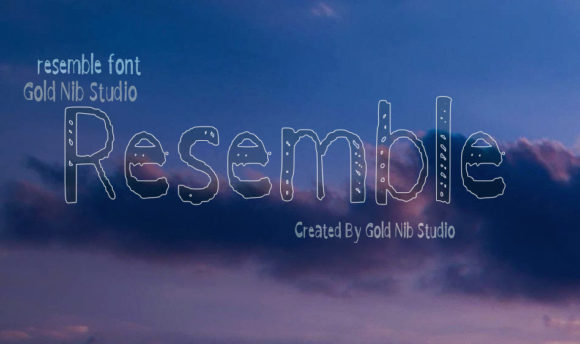
Resemble is a modern display typeface designed with simplicity and clarity in mind. It features open apertures, rounded edges, and a slightly irregular structure that gives it a hand-drawn charm without sacrificing professionalism. Unlike more formal serif or monospaced fonts, Resemble leans into a relaxed and contemporary style, making it ideal for use in environments where personality and legibility are equally important.
The font is optimized for screen reading and print output alike, with consistent spacing and weight distribution across characters. These qualities make it suitable for both digital and physical applications, from website headers to printed promotional materials.
Why People Choose Resemble
Designers often turn to display fonts like Resemble because they offer a balance between visual appeal and functionality. Here are some of the reasons why this font stands out:
- Approachable Style: The casual nature of Resemble makes it feel welcoming and easy to read, which is essential for brands aiming to connect with their audience on a personal level.
- Versatility: Its clean lines and balanced proportions allow it to adapt well to various sizes and mediums, whether used as a headline or body text in certain contexts.
- Modern Aesthetic: With its soft curves and minimal embellishments, Resemble aligns with current design trends that prioritize simplicity and elegance.
- Wide Character Set: Resemble includes support for multiple languages and symbols, enhancing its usability in international or diverse design projects.
Benefits of Using Resemble
There are several advantages to incorporating Resemble into your design work. First and foremost, it’s easy to read, which is particularly important in user interfaces and marketing materials where information needs to be quickly absorbed. The font’s subtle variations in stroke thickness also help maintain visual interest without overwhelming the reader.
Another benefit is its adaptability. Whether you're designing a logo, crafting social media posts, or building a presentation, Resemble provides enough character to stand out while remaining professional. This makes it a strong candidate for startups, lifestyle brands, and creative agencies looking to establish a modern yet personable image.
Potential Tradeoffs and Limitations
While Resemble excels in many areas, it may not be the best choice for every project. Like most display fonts, it works best at larger sizes. When used in small formats—such as fine print or footnotes—it can lose clarity and become difficult to read.
Additionally, the casual nature of Resemble may not suit all branding strategies. For example, if your brand communicates authority, tradition, or formality (like a law firm or luxury goods company), a more structured font might be more appropriate. Always consider the tone and message you want to convey before finalizing your typographic choices.
Things to Consider Before Selecting Resemble
- Use Case: Assess whether the font will be used primarily for headlines, logos, or extended text. While it can handle short paragraphs, it may not be ideal for long-form content.
- Brand Personality: Does your brand have a youthful, creative, or informal vibe? If so, Resemble could be a great match. If not, consider a more neutral or classic typeface.
- Legibility Testing: Try using Resemble in different sizes and backgrounds to ensure it remains clear and readable under varied conditions.
- Licensing: Confirm that the font license supports your intended usage, especially if you plan to use it in commercial projects or distribute it publicly.
Where Resemble Shines
Resemble is particularly effective in the following scenarios:
- Branding Projects: From logo design to business cards, the font adds a touch of warmth and creativity while maintaining a polished look.
- Social Media Content: Its friendly appearance helps create engaging visuals for platforms like Instagram, Facebook, or Twitter, where attention spans are short and first impressions matter.
- Creative Presentations: Whether you’re pitching an idea or showcasing a product, Resemble can add visual flair without distracting from the message.
- Editorial Design: In magazine covers, blog headers, or event posters, the font’s bold presence ensures that key titles or headings catch the eye.
When to Consider Alternatives
Although Resemble is versatile, there are situations where other fonts might serve better. For instance:
- If your design requires high contrast or dramatic stylization, you might prefer a font like Bebas Neue or Bangers for bolder statements.
- For corporate or formal settings, a more traditional sans-serif such as Helvetica or Arial would provide a cleaner, more professional look.
- In multilingual or technical contexts, a font with broader language support and specialized glyphs may be necessary.
Evaluating your specific needs and experimenting with font pairings can help determine whether Resemble is the right choice or if another option would better meet your goals.
Practical Tips for Using Resemble Effectively
To get the most out of Resemble, follow these practical guidelines:
- Limit Use to Key Elements: Reserve Resemble for headlines, logos, and call-to-action buttons rather than full blocks of text.
- Pair Thoughtfully: Combine it with a more neutral font for body text to maintain hierarchy and readability. Sans-serif options like Open Sans or Lato often complement display fonts well.
- Adjust Spacing and Weight: Ensure proper tracking and leading to prevent overcrowding, especially when used at smaller sizes.
- Test Across Devices: Check how Resemble appears on mobile screens, tablets, and desktops to guarantee consistency and legibility.
Final Thoughts
Resemble is a compelling choice for designers who value a clean, casual, and contemporary aesthetic. Its versatility and ease of use make it a solid addition to any designer’s toolkit, especially for branding and social media applications. However, its effectiveness depends heavily on the context in which it’s used. By understanding its strengths and limitations, you can make an informed decision about whether it aligns with your design goals.
Ultimately, the best font is one that supports your message and enhances your visual communication. Take time to evaluate your options, test different fonts in real-world scenarios, and choose the one that best reflects your brand’s voice and purpose.