Jack Robin: A Font That Elevates Design with Elegance and Versatility
In the world of typography, the right font can transform a simple message into a visual masterpiece. Jack Robin is one such display font that captures attention with its unique aesthetic and adaptability. Designed to make an impact, this font combines elegant curves with a bold presence, making it ideal for a wide range of creative applications. Whether you're crafting product packaging, designing a brand identity, or creating eye-catching social media content, Jack Robin offers a distinctive solution that stands out without overwhelming.
The Visual Identity of Jack Robin
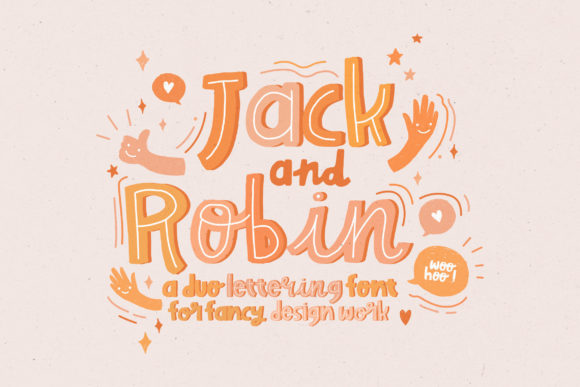
Jack Robin is more than just a typeface—it's a design statement. The font features fluid, curvy lines that exude sophistication and charm. Its characters are meticulously crafted to maintain clarity even at smaller sizes, while still delivering a strong visual punch when scaled up. This balance between legibility and style is what makes Jack Robin particularly effective in branding projects and editorial designs where both form and function matter.
Typography as Branding Tool
In today’s competitive market, branding is not just about logos or color schemes; it's also about how text appears across all platforms. Jack Robin, with its refined yet expressive letterforms, helps designers create memorable brand identities. For instance, a luxury skincare company might use Jack Robin on their product labels to evoke a sense of elegance and exclusivity. Similarly, a boutique clothing line could incorporate it into their storefront signage to add a touch of modernity and flair.
Applications Across Industries
The versatility of Jack Robin allows it to be used effectively in various industries. From print to digital, this font adapts well to different mediums and purposes. Here are some of the most common and impactful uses:
- Product Packaging: With its ability to blend beauty and readability, Jack Robin enhances product labels, especially in the fashion, food, and cosmetics sectors.
- Magazine Covers: Editors often look for fonts that capture attention quickly. Jack Robin fits the bill perfectly, offering a stylish edge to headlines and titles.
- Social Media Graphics: In the fast-paced digital space, standing out is essential. Jack Robin adds a layer of sophistication to posts, banners, and promotional material.
- Wedding Invitations: The graceful curves of Jack Robin lend themselves beautifully to formal events like weddings, where typography plays a key role in setting the tone.
- Editorial Projects: Beyond magazines, Jack Robin can be used in book covers, event posters, and other editorial formats to convey creativity and professionalism.
Why Display Fonts Matter in Modern Design
Display fonts like Jack Robin are specifically created to draw the eye and make a statement. Unlike standard sans-serif or serif fonts used for body text, they are optimized for short bursts of information—logos, headlines, titles, and call-to-action elements. Choosing the right display font can significantly influence how an audience perceives your content or brand. Jack Robin does this by combining soft, flowing shapes with a confident structure, appealing to both traditional and contemporary tastes.
Advantages of Using Jack Robin
There are several reasons why Jack Robin has become a favorite among designers and marketers alike. Let's explore the core advantages that make it a valuable addition to any design toolkit:
- Unique Character Set: Jack Robin offers a rich set of glyphs, ligatures, and alternate characters, allowing for a high degree of customization and personalization in any project.
- High Readability Despite Style: Many display fonts sacrifice readability for aesthetics, but Jack Robin maintains a clear and consistent shape across all letters, ensuring that messages remain easy to read even when stylized.
- Perfect for High-Contrast Backgrounds: One of the standout qualities of Jack Robin is how well it performs against busy or dark backgrounds. Its clean lines and open spacing prevent it from getting lost in the visuals, maintaining focus on the message.
- Cross-Platform Compatibility: Whether printed on glossy paper or displayed on a screen, Jack Robin retains its quality and appearance. This consistency is crucial for brands looking to maintain a cohesive image across multiple channels.
- Emotional Resonance: Typography can influence emotions, and Jack Robin’s gentle curves and balanced proportions evoke a sense of warmth and approachability, which is especially beneficial for lifestyle, wellness, and hospitality industries.
Real-World Use Cases
Designers have successfully integrated Jack Robin into numerous real-world scenarios. A popular example is its use in premium coffee packaging, where the font complements the brand’s artisanal feel and upscale positioning. Another case involves a tech startup using Jack Robin for its keynote presentation titles, striking a balance between innovation and elegance. These examples highlight how Jack Robin can bridge the gap between traditional typography and modern design sensibilities.
Considerations When Implementing Jack Robin
While Jack Robin is a powerful tool, it's important to use it wisely. Like any display font, it should be reserved for situations where it can shine without being overused. Here are some practical considerations to keep in mind when incorporating Jack Robin into your work:
- Avoid Overuse in Long Text: Though beautiful, Jack Robin is not suited for large blocks of text due to its decorative nature. It works best for headlines, subheadings, and short phrases.
- Pick the Right Color and Weight: Depending on the background and context, certain colors and weights of Jack Robin will perform better. Lighter shades may struggle against bright colors, while darker tones offer greater contrast and visibility.
- Pair with Simpler Fonts: To maintain typographic harmony, consider pairing Jack Robin with a more neutral font for supporting text. This contrast ensures that the reader isn’t overwhelmed and can easily navigate the content.
- Respect Cultural and Contextual Nuances: Before using Jack Robin in global campaigns, evaluate whether its style aligns with the target audience’s expectations and cultural associations with similar fonts.
- Test at Various Sizes: Always preview Jack Robin at different sizes and distances to ensure it remains legible and visually appealing in all intended environments.
Technical Aspects and Licensing
When selecting a font for professional use, it's essential to understand its technical specifications and licensing terms. Jack Robin is typically available in multiple weights and styles, giving designers flexibility in how they apply it. It supports a wide range of languages and character sets, making it suitable for international projects. Additionally, proper licensing ensures that users can deploy the font legally in both print and digital formats, including web use if supported by the license agreement.
Comparisons and Alternatives
To fully appreciate Jack Robin’s value, it's helpful to compare it with other popular display fonts. While many fonts aim for either boldness or delicacy, Jack Robin finds a middle ground that suits a broader array of applications. For example, compared to highly ornate scripts, Jack Robin provides a cleaner and more structured appearance, reducing the risk of becoming too distracting. Conversely, it offers more personality than minimalist sans-serif fonts, making it a great choice when wanting to inject visual interest into a design without losing clarity.
Choosing the Right Font for Your Project
Font selection is a nuanced process that depends on the project's goals, audience, and context. Jack Robin excels in settings where elegance meets boldness, such as high-end branding or artistic editorial layouts. However, if a project requires maximum readability or a more casual vibe, alternative options might be better suited. Understanding these dynamics allows designers to make informed choices that enhance the overall user experience and communication effectiveness.
Trends and Future Relevance
As design trends evolve, so does the demand for fonts that reflect current aesthetics. Jack Robin aligns well with the growing trend of blending hand-drawn elements with digital precision. This hybrid approach appeals to both traditional and modern audiences, making it a forward-thinking choice for designers aiming to stay relevant. Moreover, with the rise of personalized and experiential marketing, fonts like Jack Robin provide a way to create unique visual identities that resonate emotionally with consumers.
How to Get Started with Jack Robin
If you're interested in using Jack Robin in your next project, start by sourcing it through a reputable font foundry or platform. Once installed, experiment with it in different contexts to see how it interacts with your design elements. Pay attention to how it affects hierarchy, contrast, and overall visual flow. Don't hesitate to reach out to typographers or fellow designers for advice—collaboration often leads to better outcomes. And remember, while Jack Robin is a superb font, its success lies in how thoughtfully it is applied within the design framework.
Final Thoughts on Typography and Creativity
Typography is a critical component of visual storytelling, and choosing the right font can elevate your message from ordinary to extraordinary. Jack Robin exemplifies how thoughtful design can enhance communication, build brand recognition, and engage audiences effectively. By understanding its characteristics and limitations, professionals across industries can harness its potential to create compelling and meaningful content. In a world where first impressions count, having access to a font like Jack Robin can make all the difference.