Harvest Bloom: A Display Font That Elevates Visual Creativity
Typography plays a crucial role in design, often serving as the first point of connection between an audience and a message. Among the countless fonts available today, Harvest Bloom stands out for its whimsical charm and versatile appeal. As a display font, it’s crafted to capture attention while maintaining a sense of elegance and coolness. Whether you're a designer, marketer, educator, or content creator, Harvest Bloom offers a unique way to enhance your visual storytelling and make your projects more memorable.
The Aesthetic Appeal of Harvest Bloom
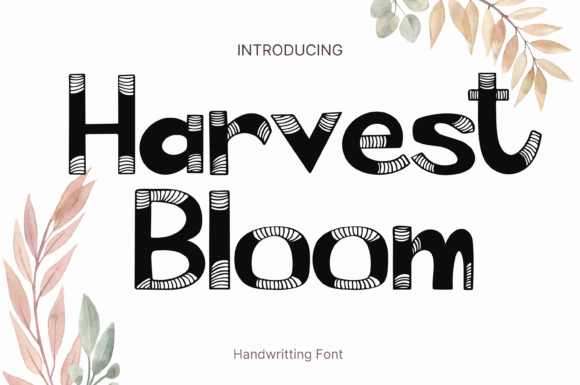
Harvest Bloom is not just another typeface—it's an experience. Its whimsical character stems from subtle curves, playful strokes, and a balanced structure that exudes both sophistication and fun. This font strikes the perfect chord between modern minimalism and classic typography, making it suitable for a wide range of applications. The letters appear almost hand-drawn in their natural flow yet maintain a level of polish that ensures readability even at smaller sizes.
What makes Harvest Bloom particularly captivating is its ability to adapt to different themes and aesthetics. It can be used in a rustic farmhouse design to evoke warmth and nostalgia or in a sleek digital interface to add a touch of creativity without overwhelming the user. This dual nature allows it to bridge the gap between casual and professional environments seamlessly.
Design Characteristics That Set It Apart
- Unique Letterforms: Each character is designed with a distinct personality, helping to differentiate it from generic sans-serif or serif options.
- Elegant Whimsy: While playful, the font retains a level of grace that prevents it from appearing too childish or unprofessional.
- High Contrast and Clarity: The contrast between thick and thin strokes enhances legibility, especially on screens and in print.
- Multiple Weights and Styles: With variations in boldness and slant, Harvest Bloom provides flexibility for designers looking to emphasize certain parts of their text.
Practical Applications and Use Cases
One of the most appealing aspects of Harvest Bloom is its broad usability across various industries and formats. From branding and packaging to web design and editorial layouts, this font brings a fresh perspective to any project.
Branding and Marketing
In the world of branding, a font can define the voice and tone of a company. Harvest Bloom is ideal for businesses that want to communicate warmth, innovation, and approachability. For example, a boutique winery might use it in their logo to create a friendly yet premium image, while a tech startup could incorporate it into promotional materials to convey creativity and trustworthiness.
Marketing collateral such as posters, flyers, and social media graphics benefits greatly from the font’s eye-catching quality. Its whimsical look invites engagement, making it easier to draw attention in a crowded market. When paired with minimalist color schemes and high-quality imagery, Harvest Bloom helps brands stand out while remaining cohesive and stylish.
Web and App Design
On digital platforms, where user experience is paramount, Harvest Bloom adds a layer of personality without compromising usability. It works well in headings, call-to-action buttons, and section titles—areas where a strong visual impact is desired. However, due to its decorative nature, it should typically be reserved for prominent text rather than body copy.
When implemented correctly, this font can significantly improve the perceived value of a website. For instance, a lifestyle blog using Harvest Bloom in article headers creates a welcoming and creative atmosphere, encouraging readers to explore further. Similarly, mobile app interfaces can benefit from its clean yet expressive design, especially when targeting younger or artistic audiences.
Print and Editorial Design
Magazines, books, and other print media often rely on typography to set the mood. Harvest Bloom is a great fit for magazine covers, event programs, and greeting cards. Its versatility means it can complement both traditional and contemporary layouts. In editorial design, it can be used to highlight key sections like chapter titles or feature stories, adding a visual cue that guides the reader through the content.
A real-world example is a seasonal cookbook that uses Harvest Bloom in the title of each recipe. The font’s warm and inviting feel aligns perfectly with the theme of food and home cooking, creating an emotional connection with the audience.
Why Choose Harvest Bloom Over Other Fonts?
While many display fonts are either too ornate or too plain, Harvest Bloom finds a sweet spot by combining aesthetic flair with practicality. Here are several reasons why professionals might prefer it:
- Versatility Across Industries: From fashion to technology, Harvest Bloom adapts to different brand identities with ease.
- Scalability: It maintains its integrity whether used in a small tagline or a large headline, ensuring consistent visual quality.
- Modern and Timeless: Its design avoids fleeting trends, allowing it to remain relevant over time while still feeling current.
- Accessibility Considerations: Though decorative, the font is optimized for screen and print clarity, reducing the risk of misinterpretation or poor legibility.
Comparisons and Contrasts
Compared to other popular display fonts like Great Vibes or Cinzel, Harvest Bloom offers a more refined balance between style and function. Great Vibes leans heavily into script-style elegance, which may not suit all contexts, while Cinzel brings a historical weight that can sometimes feel outdated. Harvest Bloom, by contrast, is versatile enough to work in both vintage-inspired and modern designs.
Another notable comparison is with fonts like Raleway or Montserrat, which are known for their clean and geometric shapes. While these fonts excel in formal settings, they lack the emotional resonance and visual interest that Harvest Bloom provides. This makes it a better choice for projects where creativity and warmth are essential components of the message.
Considerations for Effective Use
To maximize the effectiveness of Harvest Bloom, it’s important to understand how best to pair it with other elements. The right combinations can elevate a design, while poor pairings may dilute its impact.
Font Pairing Strategies
Display fonts often work best when contrasted with simpler, more neutral typefaces. For body text, consider pairing Harvest Bloom with fonts like Open Sans, Lato, or Roboto. These choices ensure that the main content remains easy to read while the headings or titles grab attention.
For a more dramatic effect, try combining it with a serif font such as Merriweather or Playfair Display. This contrast can help establish hierarchy and guide the viewer’s eye naturally through the layout.
Color and Background Matching
Harvest Bloom thrives when given space and appropriate color treatment. Darker tones such as navy blue, forest green, or deep burgundy often bring out its whimsical qualities, while light backgrounds allow the intricate details to shine. Avoid overly bright or garish colors unless they serve a specific purpose, as they may clash with the font’s elegant undertones.
Spacing and Layout
Because of its decorative nature, Harvest Bloom requires careful spacing. Ensure there’s enough padding around the text so it doesn’t feel cramped or lose its charm. Also, avoid overusing it in long paragraphs or dense blocks of text. Instead, reserve it for headlines, logos, and other focal points where it can make the strongest impression.
Real-World Examples of Harvest Bloom in Action
Several well-known brands and independent creators have successfully integrated Harvest Bloom into their work. One example is a wellness retreat website that uses the font in hero banners and workshop descriptions. The result is a calming yet vibrant aesthetic that reflects the brand’s mission of holistic healing and creativity.
In another case, a local flower shop used Harvest Bloom in their storefront signage and packaging. The font’s name alone suggests a connection to nature and growth, and its appearance reinforces that idea with soft curves and organic forms. Customers reported feeling a stronger emotional attachment to the brand because of the font’s inviting presence.
Even in educational materials, Harvest Bloom has found a place. A university art department incorporated it into course syllabi and student projects to inspire creativity and reflect the program’s emphasis on innovative thinking. The font helped transform what could have been a dull document into an engaging and visually stimulating one.
Tips for Incorporating Harvest Bloom into Your Projects
If you’re considering using Harvest Bloom in your next project, here are some practical tips to get the most out of it:
- Use It Sparingly: Apply it only where you need a strong visual impact to maintain readability and focus.
- Test It Across Media: Check how it looks in print, on-screen, and at various sizes before finalizing your design.
- Pair Thoughtfully: Balance it with complementary fonts to create a harmonious typographic system.
- Experiment with Color: Try different hues to see which ones best highlight the font’s characteristics and support your message.
Tools and Resources for Working with Harvest Bloom
There are several tools and resources available to help you integrate Harvest Bloom into your workflow. Web-based font generators allow you to customize spacing and styling directly in your browser. For print projects, font embedding software ensures that the typeface displays consistently across devices and platforms.
Additionally, many design communities offer tutorials and inspiration boards featuring Harvest Bloom. These can provide valuable insights into how others are using it creatively and effectively. Exploring these resources can spark new ideas and help you discover innovative ways to apply the font.
Conclusion
Harvest Bloom is more than just a pretty font—it’s a strategic design element that can shape perception, guide attention, and enhance visual storytelling. Its unique blend of whimsy and professionalism makes it a go-to choice for creatives across multiple disciplines. By understanding its strengths and limitations, you can leverage it to produce compelling and memorable work that resonates with your intended audience.