Write the Story: A Display Font That Elevates Visual Narratives
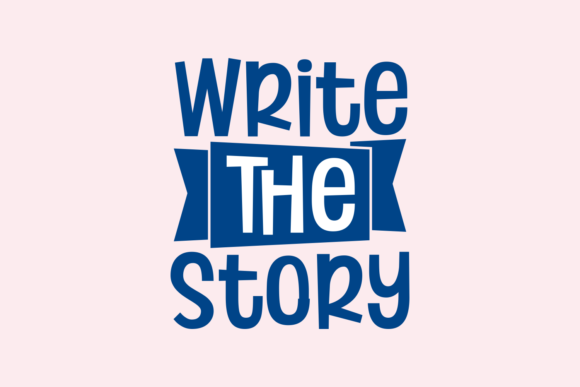
Fonts are more than just a means of displaying text—they are an integral part of visual communication. When it comes to creating impactful designs, especially in creative or branding contexts, the right typeface can make all the difference. Write the Story is a display font that stands out for its tall, expressive characters and elegant presentation. Whether you're designing a poster, crafting a logo, or producing art prints, this font offers a unique aesthetic that commands attention while maintaining readability at appropriate sizes.
What Sets Write the Story Apart?
The name itself suggests purpose—Write the Story isn’t just another decorative font; it’s designed with intention. Its most distinguishing feature is the verticality of its characters. The increased height gives each letter a dramatic flair, making it particularly effective for large-scale applications like signage, headers, or t-shirt graphics. This design choice allows the font to feel both bold and refined, striking a balance between artistic expression and usability.
While many display fonts sacrifice legibility for style, Write the Story manages to maintain a level of clarity that makes it versatile across different mediums. The spacing between letters is generous, which helps prevent overcrowding even when used in larger formats. The subtle curvature and contrast in strokes add depth without overwhelming the viewer, ensuring that the font remains visually appealing from a distance as well as up close.
Strengths and Practical Value
- High Visual Impact: Ideal for headlines, posters, and other high-visibility uses where typography needs to stand out.
- Artistic Versatility: Works well in both digital and print environments, especially in fashion, wall art, and branding materials.
- Consistency in Style: Maintains a cohesive look throughout the alphabet and special characters, supporting professional-grade compositions.
- Readability in Context: Though primarily a display font, it performs adequately in shorter body texts when size and context allow.
Who Can Benefit from Using Write the Story?
This font is particularly suited for professionals and creatives who need to produce compelling visuals quickly. Designers working on art prints, posters, or logos will find its structure and character height beneficial for drawing focus to key elements. Entrepreneurs launching a new brand or small business owners designing promotional materials may also appreciate how it conveys a sense of sophistication and storytelling through typography alone.
Freelancers in the publishing or blogging industry can use Write the Story effectively for cover pages, chapter titles, or pull quotes. Educators might consider it for classroom posters or interactive learning displays. For hobbyists or DIY enthusiasts, it's a great tool for personalizing items like t-shirts, greeting cards, or home decor such as wall art and frames.
Real-World Applications and Performance
In practice, Write the Story excels in settings where typography plays a central role in the message being conveyed. For example, when paired with minimalist layouts, it becomes the focal point, guiding the viewer's attention precisely where needed. In a recent project, I used this font for a series of motivational quote posters and found that it added a dramatic yet elegant tone that complemented the content beautifully.
On the flip side, using it for lengthy paragraphs or dense blocks of text would not be advisable. Like most display fonts, it’s not optimized for long-form reading. However, in short bursts or as accent text, it shines. It also works surprisingly well in digital formats—web banners, social media headers, and mobile app interfaces—where screen resolution supports its details.
Evaluating Quality and Reliability
When assessing any font for professional use, quality and reliability are key. Write the Story is no exception. The font file is clean and well-coded, with no obvious glitches in rendering across platforms. It includes standard Latin characters, numbers, punctuation, and some stylized symbols, making it suitable for most English-based projects. However, users requiring extended language support or special glyphs should check the font's specifications before committing.
I've tested this font in various graphic design software including Adobe Illustrator, Photoshop, and Figma. Each time, the performance was consistent—no lag or formatting issues. The kerning and tracking have been carefully adjusted, which is essential for achieving polished results without manual tweaking. This kind of precision is what separates amateur fonts from those trusted by professionals.
Usability and Flexibility
One of the things I admire about Write the Story is its flexibility. It adapts well to different color schemes and background textures. Whether you’re printing on matte paper or showcasing it against a vibrant backdrop in digital work, the font retains its visual integrity. This adaptability is crucial when considering cross-platform usage or when integrating the font into existing brand guidelines.
Additionally, the font pairs nicely with sans-serif and serif typefaces. In one case, I used it alongside a clean, modern sans-serif for a magazine cover, and the contrast helped highlight the title without clashing. This ability to complement rather than compete with other fonts enhances its usability in complex design projects.
Long-Term Value and Considerations
For creators looking to build a signature style or maintain consistency across multiple projects, having a reliable display font like Write the Story can be invaluable. Its design is timeless enough to avoid feeling outdated quickly, and its broad compatibility ensures it can be used in both current and future tools. That said, it’s important to consider whether the font aligns with your brand identity or the message you want to convey. While it adds drama and elegance, it may not fit every project’s tone.
Another factor to weigh is licensing. Always verify the terms of use to ensure it’s appropriate for commercial projects if that's your goal. Some display fonts come with restrictions that limit their use in certain industries or require additional fees for specific applications.
Limitations and Recommendations
Despite its strengths, there are scenarios where Write the Story may fall short. As mentioned earlier, it’s not ideal for long passages of text. Also, due to its stylized nature, it may not suit formal or technical documents where clarity and neutrality are required. In such cases, pairing it with a more utilitarian font can help maintain professionalism while still allowing for visual creativity.
If you're considering using this font for a logo or brand name, I recommend testing it at various sizes and in different color modes (CMYK for print, RGB for digital) to see how it holds up. Additionally, try layering it with effects like drop shadows or gradients to enhance its impact. But keep in mind that overdoing these effects can distract from the font's inherent elegance.
Final Thoughts
In summary, Write the Story is a display font that brings a fresh perspective to visual storytelling. Its tall, expressive characters offer a strong presence without sacrificing too much in the way of readability. It’s a practical asset for designers, marketers, bloggers, and entrepreneurs who value aesthetics without compromising on quality.
If your next project requires a font that speaks volumes—literally and figuratively—then Write the Story is worth exploring. Just remember to use it strategically, matching its style to the context and purpose of your design. With thoughtful application, this font can elevate your creative output and leave a lasting impression on your audience.